
Critical infrastructure
Perimeter cameras at unmanned sites, watched around the clock
Substations and pump stations are unmanned and remote. Nobody is looking at those cameras until something has already happened.
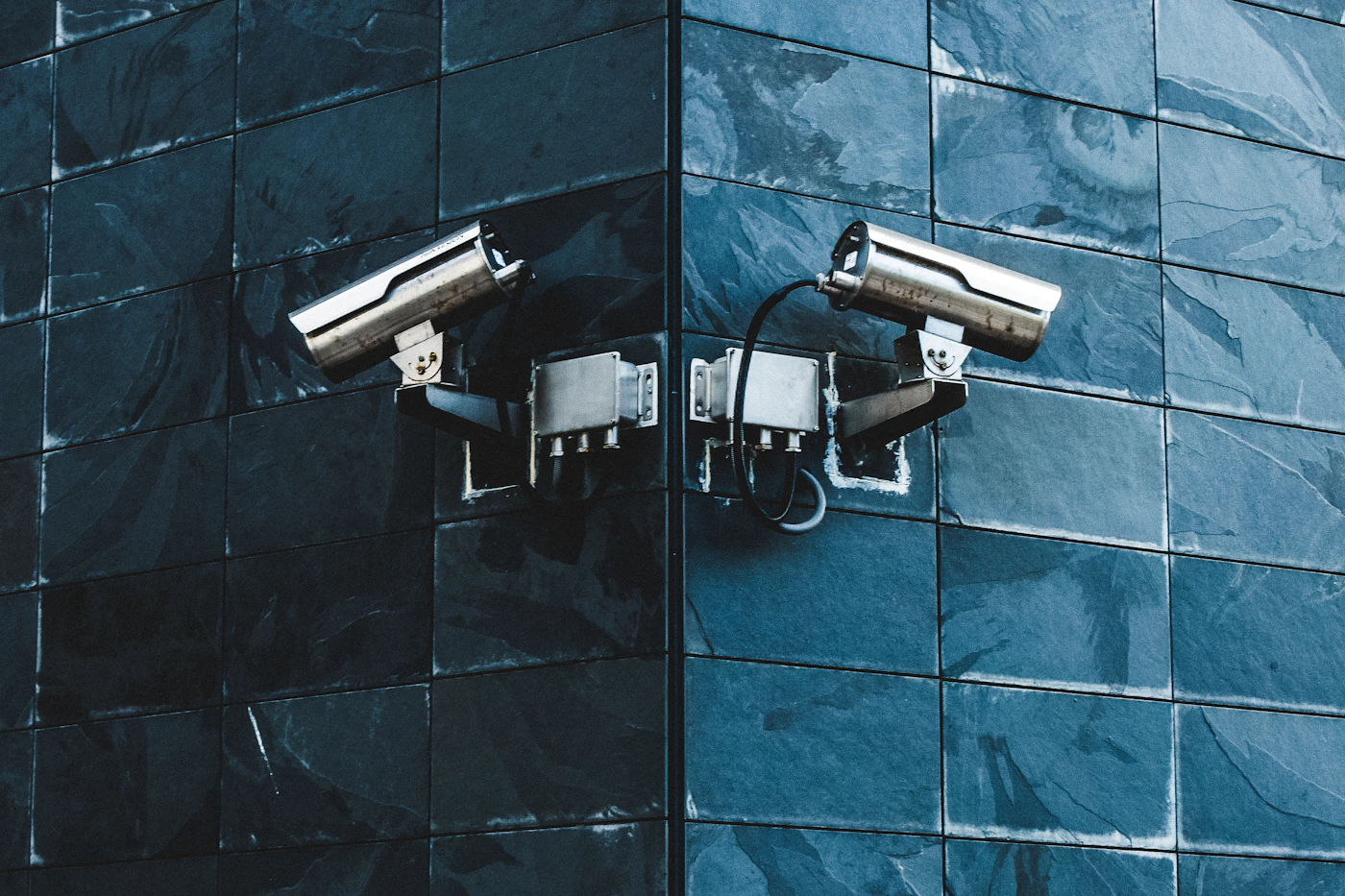
Cameras
What is usually already there
Perimeter and gate cameras at remote sites, often on constrained links.
Setup rates each one for the weapon classes it resolves at its working distance. A camera that resolves neither is not analysed and not billed.
Unmanned sites
There is no guard to review, so alerts go to a monitoring agent by default.
Long distances
A fence-line camera at 40m is refused rather than accepted and left missing things.
Link outages
An appliance that stops reporting raises its own alarm. Silence is never read as calm.
Many sites
Every site keeps its own thresholds, roster, and measured rate under one organization.
Funding
Who pays for it
Most districts buy this with somebody else's money. These are the programs that fund the work.
Homeland Security Grant Program
FEMA, Department of Homeland Security
Preparedness projects, which in practice includes detection at public sites.
No site-level ceiling is published. The state administering agency sets the calendar and the priorities.
What it pays forAn application has to describe what the money buys. You get the camera-by-camera coverage report and an itemised quote before a purchase order exists.
Response
Where an alert goes
Remote sites almost always use a monitoring agent, with a named on-call engineer behind them.
The ladder is yours to configure. Nothing reaches an outside agency unless you set that up, and a review nobody actions escalates on its own timer rather than waiting.
Runs on Business
The configuration this building uses
A business, church, clinic, or venue. Read the details
Other buildings
11 more, same product
What changes between a plant, a platform, and a lobby. All industries