
Mission
Firearm detection built to cut gun violence short
A mass shooting is measured in seconds. This company exists to take those seconds back and put them in the hands of the people who can act.
Why
The goal
Reduce gun violence by making a visible firearm known to the right people in seconds.
Most buildings learn about a gun when somebody runs or calls. By then the people who could lock a door, move a class, or meet the police are the last to know.
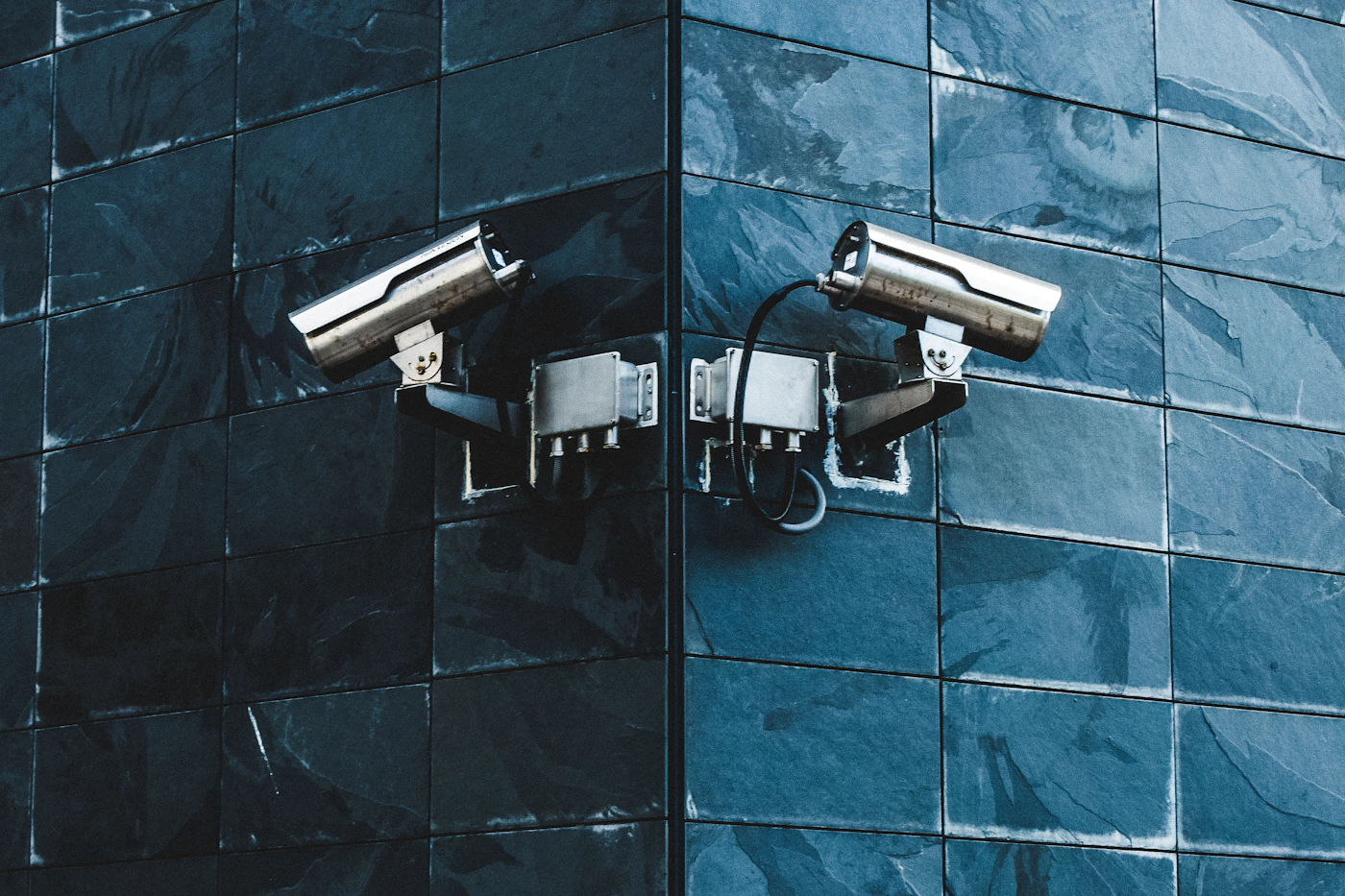
A camera watching that door has already seen it. Detection turns what the camera sees into an alert carrying the frame, the location, and a confidence band.
Every second returned is a door locked, a room cleared, or an officer already moving. Those seconds are what this company is built to win.
- What it does
- Detects firearms visible to a camera and alerts the people you choose
- How it runs
- An appliance on your own network, analysing cameras you already own
- What leaves the building
- The cropped frame attached to a detection. No continuous video
- What an alert reports
- A confidence band and the frame. Never a percentage
- Who it serves
- Schools, businesses, houses of worship, and homes
- What is billed
- Cameras that have streamed. A camera rated unsuitable is never billed
How it works
Four steps
It runs on the cameras you already own. No new hardware in every room, and no cloud recording.
- 01
Check the cameras
Every camera is rated against its own lens, resolution, and working distance. One that cannot resolve a firearm is refused.
- 02
Analyse on site
An appliance on your network reads the streams. The detector runs there, so raw video never leaves the building.
- 03
Raise the alert
Evidence builds across frames and cameras into a confidence band. The frame that caused it travels with the alert.
- 04
Reach your people
Alerts go to the staff, reviewers, and agencies you choose. Nothing reaches an outside agency unless you set that up.
Standards
How we operate
Four rules a school or a plant manager can hold us to. Each one is enforced by a check in the code.
Your video stays in your building
The appliance analyses streams on site. Only the cropped frame attached to a detection is uploaded.
You see your own numbers
There is no published accuracy figure. Each site is shown its own false-alert rate, counted from dismissals its people recorded.
Every claim states its limits
Every page that mentions detection also says a concealed weapon cannot be detected. So does every sales slide and press release.
Your name stays yours
No site, logo, or incident from a customer building is published unless that customer asks for it.
Start with one site
Setup takes four screens. Your site starts in calibration, so you see your own numbers before anyone is notified.